What Is a Cannadoula? Venus Paloma Explains Cannabis, Birth, and Women's Wellness
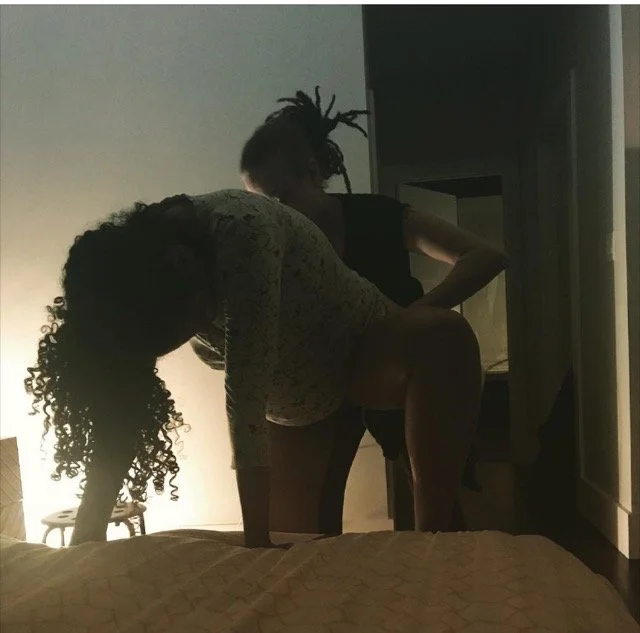
Venus Paloma has spent more than two decades supporting people through some of life's biggest transitions as a doula. Now, she's bringing that same compassion, advocacy, and education to the world of cannabis. As a self-described "cannadoula," Venus is helping reshape conversations around women's health, reproductive care, and the plant, all while challenging decades of misinformation and stigma. We sat down with her to talk about informed choice, honoring her roots, and why empowering women through education has always been at the heart of her work.
High Herstory:For readers who may be hearing the term "cannadoula" for the first time, what does that role mean to you, and what inspired you to step into this work?
Venus Paloma: For 26 years I have been a Doula; a role that was never just a profession to me, but a calling. A Doula is a professional support person, advocate and facilitator during a time of transition. When adult-use cannabis became legal in NY, I knew I had to be a part of it. That feeling that I was being called came again. I was not sure what that would look like, but I knew that my experience as a Doula could help support this new industry. The name Canna Doula felt natural because the two have been such a big part of my life and identity. Cannabis has always been in my life, my parents smoked and never hid it from us. My father was a musician in Puerto Rico and most of the people around us smoked. I saw all types of talented, successful and professional people smoking. I never had a negative view of it, I just knew that I couldn't talk about it. Now I can!
HH:Cannabis, wellness, and reproductive health have all carried their own stigmas over the years. How do you navigate those conversations and help people feel empowered to make informed choices for themselves?
VP: As a Doula one of the most important things for me is to empower my clients to have informed consent. To learn what you are agreeing to and what you oppose. That is hard to do when it comes to cannabis, we have been intentionally lied to about the health and wellness benefits of the plant. Mothers have had their children taken from them for cannabis use. So it is done in secret and not usually shared with their practitioner. There is a lot of fear and misinformation still out there. I encourage clients to do their own research, understanding that it is still limited to find reliable sources. I also encourage them to find a practitioner that they trust and can have the conversation about cannabis use. I often would connect clients with practitioners that were at least not going to report them. You have to be careful as a Doula to not give medical advice. I was always very cautious about who I spoke about cannabis to in the professional birthing world and with clients; it could have ruined my reputation. We ultimately have to listen to the voice of mothers, we have to educate people and medical professionals about the plant and about the endocannabinoid system. We need real studies being done, we need access to real information about cannabis and our health.
HH: What is one misconception about cannabis and pregnancy, postpartum care, or women's health that you wish more people understood?
VP: One misconception that I wish people understood is that cannabis is safe. We may not fully know all the ways it interacts with the mother and unborn yet. What I do know is that they still give women narcotics for pain during birth and after birth for the pain. We know how harmful narcotics are. A lot of gynecological and overall women’s health conditions could be supported with cannabis but we have not been given that as an option
HH: You've built a platform centered on education and advocacy. Was there a particular moment in your journey that made you realize this was the work you were meant to do?
VP: There have been many moments where I have felt completely aligned with my purpose in this work, but one particular moment stands out to me. I was asked to be on a Health and Wellness panel at a local college. As I was entering the building I looked up and saw it was the “Science and Technology” building. I felt a humble pride in myself, the kid that was always cutting school and smoking behind the handball court in school. I was the one who was told by my science teacher in 11th grade that I wouldn’t amount to anything if I kept smoking pot. As I walked into the building I said to myself “Dad you see your girl? Going into a college science building to talk about hierba (weed)!” My father passed in 1994, a big part of why I do this is to honor him. The kid that had to keep a secret for her parents now is asked to talk about her experience to help erase the stigma. It was a beautiful full circle moment.
HH: High Herstory is all about celebrating women who are creating change. What does being a woman in the cannabis industry mean to you, and what kind of community do you hope to build through your work?
VP: Being a woman, and a woman of color, in the cannabis industry means bringing my unique perspective and my lived experience to help elevate the plant and help women feel empowered to make informed choices about their consumption. Women represent one of the fastest-growing consumer groups in the New York market. Women want to support women, they want to collaborate with women, and learn about how cannabis interacts with our bodies from the voice of other trusted women. Just as I have supported people through birth, I see my role as helping support the growth of this industry/community by advocating for the plant, educating the community, and helping create a more inclusive, informed and health-focused cannabis culture.
As cannabis continues to become part of mainstream wellness conversations, voices like Venus Paloma's remind us that education, empathy, and community matter just as much as access. Whether she's supporting families, advocating for better research, or creating space for honest conversations about women's health, she's helping build a more informed and inclusive future for the plant. It's exactly the kind of herstory we're proud to celebrate.
Want to get in touch with Venus? You can send her an email at venuspaloma@gmail.com or follow her story on IG @Venusthecannadoula.