
Women in Cannabis: 5 Questions with Mary Rosado: Founder of SASS
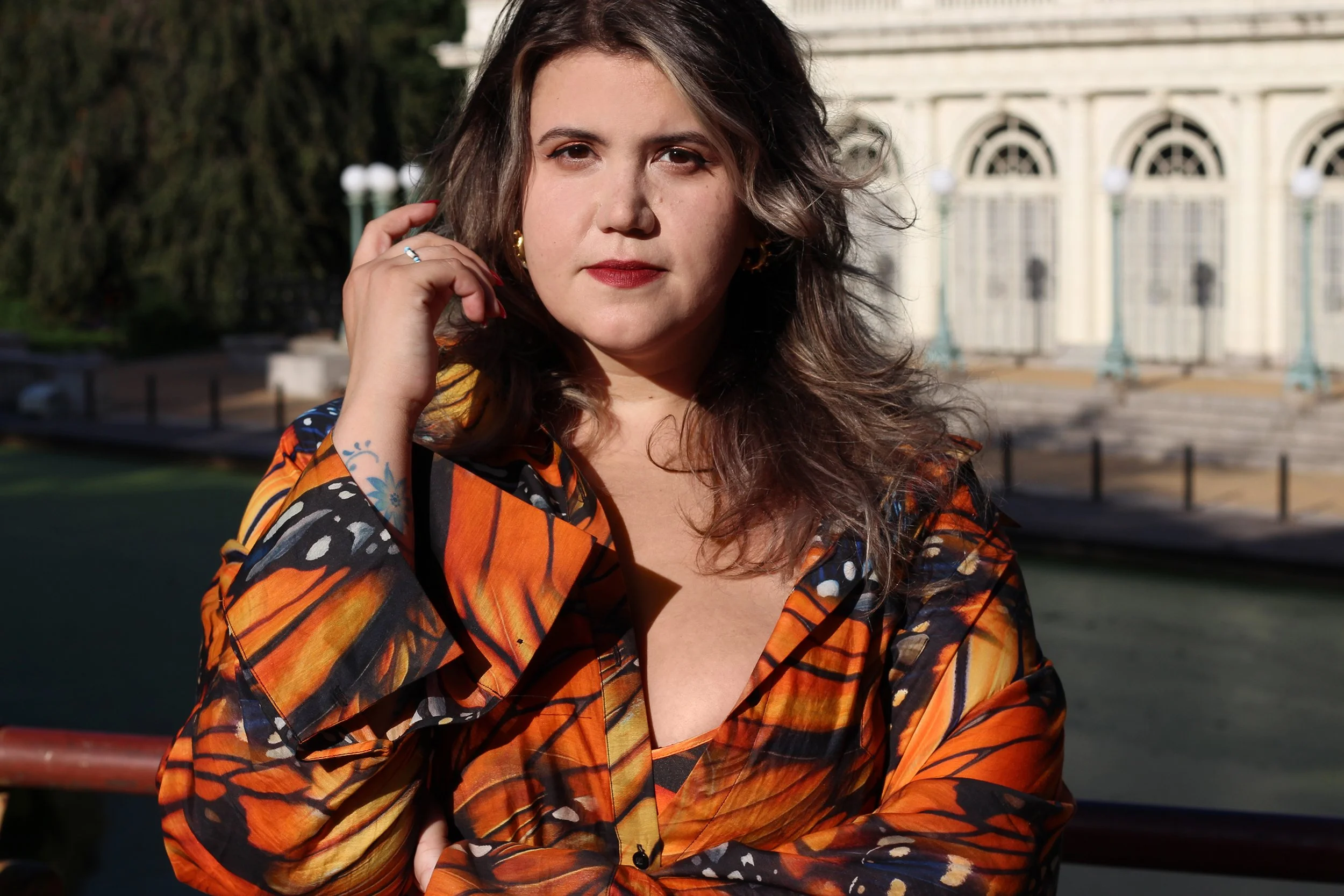
Cannabis has always been a vessel for resilience, a plant that holds us when the world forgets to. For SASS founder, Mary Rosado, that resilience is personal. Born from survival, cultural reclamation, and the power of plant medicine to reconnect us with our truth, SASS is more than an infused treat brand. It’s a movement toward softness, toward letting healing feel joyful, and toward reclaiming autonomy over our pleasure and our pain. Rooted in Mexican and Puerto Rican lineage, led by queer womxn, and built through pathways not always offered but fought for. SASS shows what happens when community, courage, and cannabis come together to spark something bigger than relief: liberation.
High Herstory: What inspired SASS, and what does the name mean to you?
Trigger Warning - SA
Mary Rosado: I turned to cannabis after surviving sexual assault at a workplace and the isolation that followed. I chose to go on a familial ancestral journey and it led me to plant medicine. Being a Mexican Puerto-Rican womxn, there were internalized challenges in facing my own views on cannabis, given the political adversaries created to harm or attack others, especially Mexican folx. Myself and our other cofounder also began experimenting with infused treats to help a friend through medical treatment. The continued research and exploration eventually turned into a passion project, wanting to help spread accurate education, allowing others to exfoliate the shame of wanting to try cannabis. It started here, all from a place of healing!
The name came from multiple places. It nods to “¡zas!” - Mexican slang for the sound bang! or as a way to say “Okay/Yes!” - because we’re here to make an impact and stand firm in that. It also reclaims “sassy,” a word often projected onto Black, Latine and queer people, transforming it into a source of pride. To us, cannabis is about honesty, resilience, and giving people permission to embrace their boldest selves, just as how being sassy should be interpreted. At its best, it helps you show up as nothing less than your truth. Creating a product to facilitate this journey is what SASS is about.
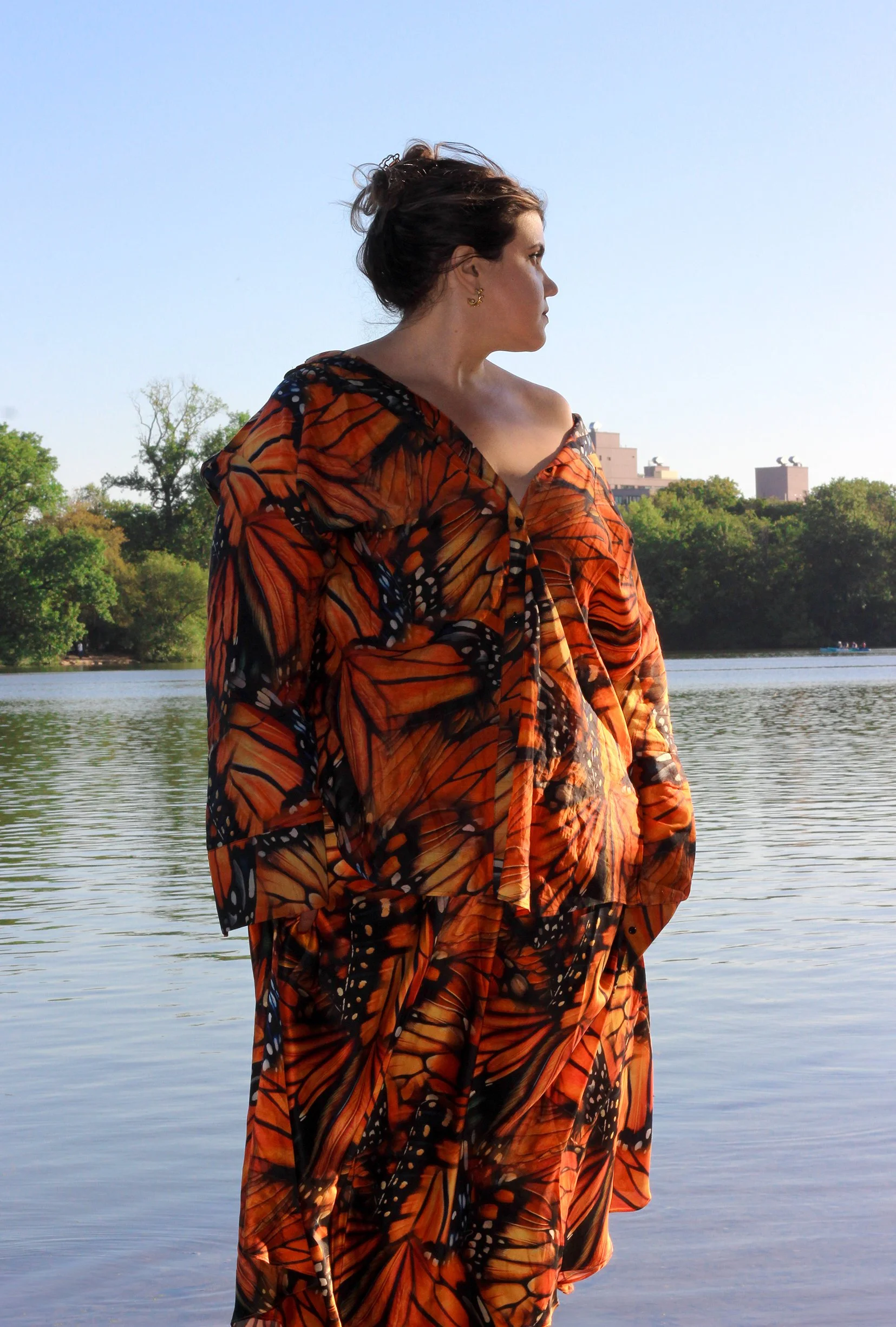
HH: As a queer and womxn-led, justice-involved brand rooted in New York, how do those identities inform how you built your team and your brand?
MR: I think so much of who I am revolves around what this question asks, haha. Growing up adopted in the South Bronx, I learned early what privilege and disparity look like side-by-side. I was treated very differently than my own family because I presented as white, while they looked more typically Latin American. You can either ignore those distinctions or you can confront them, reflect on them, and choose to build a life - and a business - that pushes back against the systems you were spared from.
My family shaped that awareness. After my father passed, my mother came out as queer. I watched her fight for her identity while I struggled with my own, denying it until I hit rock bottom. Identity work wasn’t abstract in our house ; it was survival. And like many elders in our communities often say, understanding yourself is foundational to understanding others. It’s how compassion begins.
MR (cont.): That belief is core to how I built SASS. I wanted to create a space where people who share the same work ethic, values, and drive for community can grow both professionally and personally. A place where our lived experiences, our culture, our ancestry, and our identities aren’t baggage but fuel. I want to be someone who is constantly challenged, evolving, and held accountable, and I’m lucky to be surrounded by people who do that with me (whether it’s collaborators like Solonje Burnett, mentors like Roy Esnard, or the team that keeps SASS moving).
Women and queer-identifying people are rapidly becoming, if not already, the majority of this industry’s consumer base. We deserve to be equally represented as creators and owners. The reason we’re not is tied to cost, access to knowledge, access to resources, and an entire landscape that wasn’t built for us. Part of my mission is to push against that, to carve out space where people like us can lead, innovate, and build generational change.
SASS isn’t just a brand. It’s a community shaped by identity, informed by justice, and grounded in the belief that who we are should guide what we build. At least, it’s what I think many of us at SASS hope for it to be.
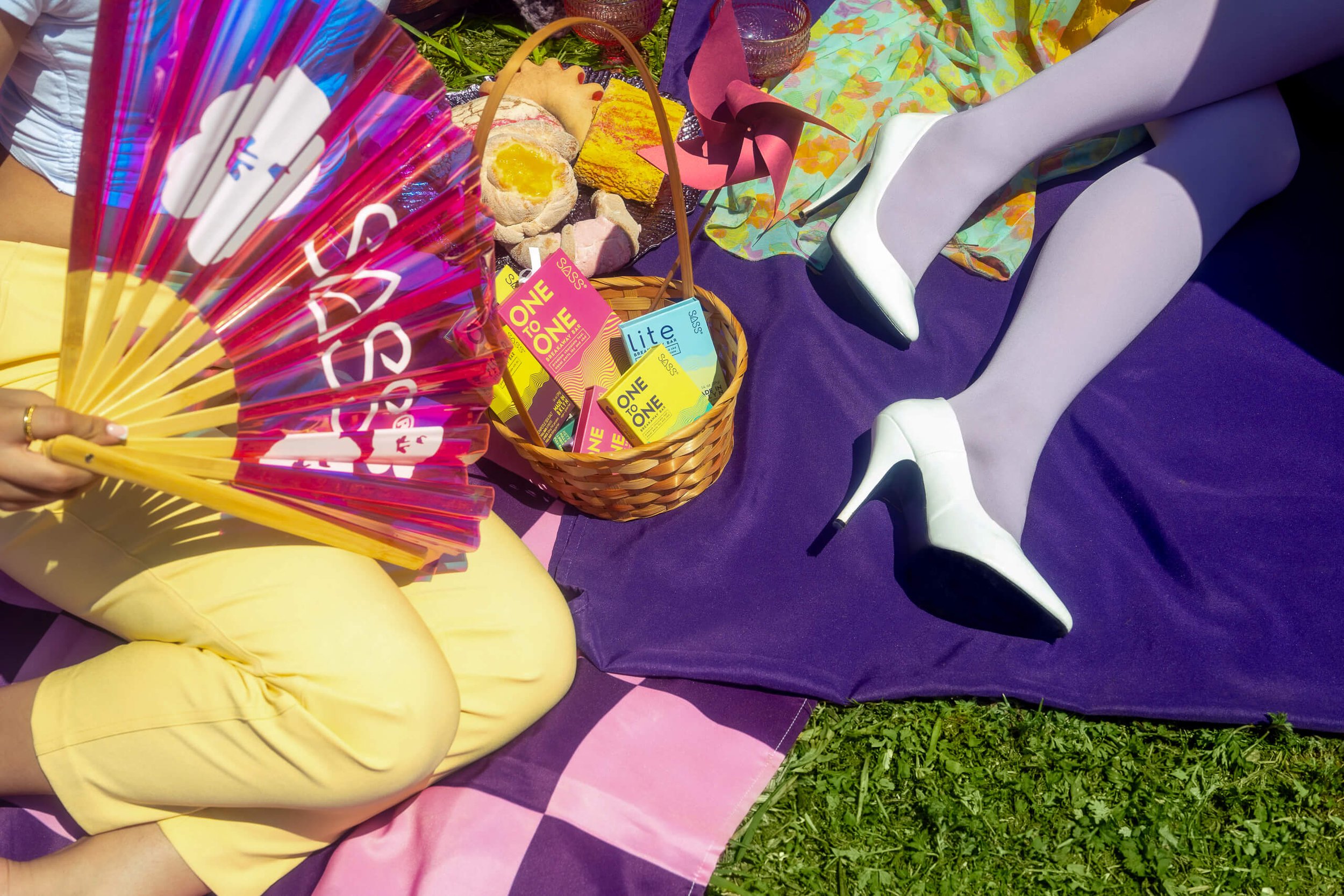
HH: As someone who expertly blends culinary artistry with cannabinoid science, what’s been the most surprising or beautiful discovery along the way?
MR: One of the most beautiful discoveries has been realizing how deeply plant compounds can support the parts of us we’re taught to hide. I grew up in a generation that heard whispers about cannabis as medicine, especially for pain relief. That alone is meaningful. But my personal relationship to cannabinoids didn’t begin until much later.
I have a very dramatic brain. I was born with neuro-syphilis, and as an adult I was diagnosed with autism, ADHD, and borderline personality disorder. For a long time, I moved through life in survival mode, disconnected, reactive, and honestly not a trustworthy member of my community. I’ve been incarcerated. I’ve hurt people.
Cannabinoids didn’t “fix” me, nothing works like magic. But they did help me slow down enough to actually see myself. Enough to choose evolution over destruction. While cannabis can be harmful for some, especially when overused with ADHD, studies also show real potential benefits for BPD symptom relief. I felt that shift: more regulation, awareness, and the ability to pause. Plants became part of my healing, not because they erased who I was, but because they helped me meet myself with transparency.
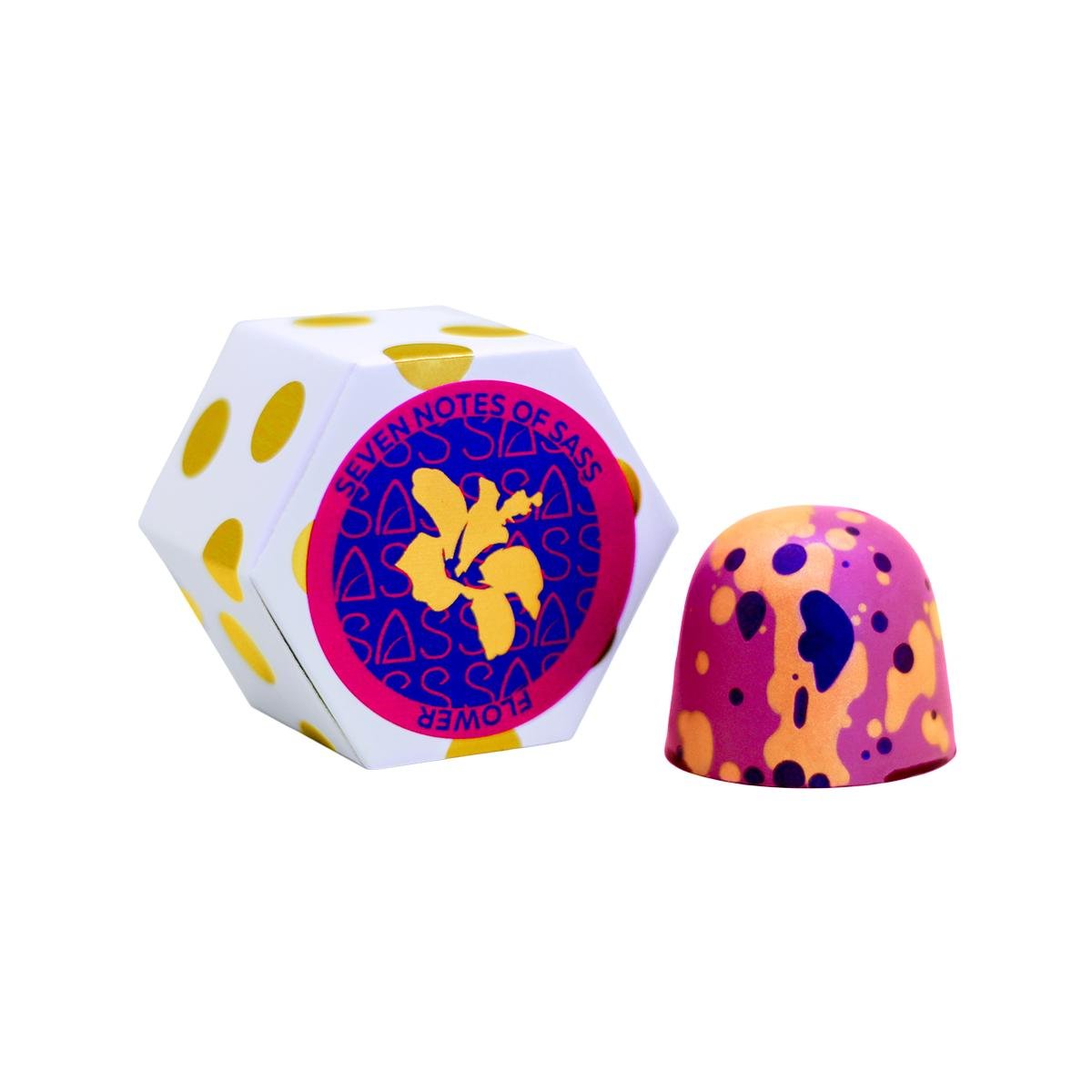
“As a culinary person, combining that science with flavor and craft has been its own kind of revelation. It’s taught me that medicine can be beautiful, intentional, and joyful, not just corrective. I can start a whole other rant about terpenes found in nature, and how food can enhance cannabinoids.”
- Mary Rosado
HH: What do you want people to feel after trying SASS products for the first time?
MR: Honestly, safety and comfort. I personally wanted products that helped me connect (be it with community, myself, et cetera). I think I’m a bit jaded being from New York City and seeing not just how others will choose to disassociate, but will indoctrinate others to do the same. So I’m hoping when others try SASS, they feel uplifted and confident in moving with whatever their intention is for the moment.
I want my customers to feel the intended effects and know that it works. I hope that’s the goal for all manufacturers!
HH: What’s next for SASS? Are there new flavors, botanicals, or creative projects on the horizon that you’re especially excited about? and/or When you imagine the legacy of SASS, what do you hope it represents for your community, for womxn in cannabis, and for the culture of plant medicine as a whole?
MR: Lots of questions! SASS is working on expanding our presence in cannabis. I won’t reveal too much, but definitely looking into new edible experiences, new ways to ingest and also, return to base forms of plant medicine. Keep an eye out!
I hope SASS will be known as that girl, haha~ I just want SASS to hold the legacy of being good, your thoughtful companion.
I know SASS hits a lot of checkboxes. We’re women owned and led, we’re queer owned and led, minority owned and led, justice impacted owned. We are so proud of these identities. If SASS could change the opinions on all getting attacked in these times, we would. But we are one of many in this battle. I hope we can continue to do our part.
Our products are an extension of our beliefs above all else. Designed with intention and education: soft femme in energy, elegant in presentation, and thoughtful in how they can be implemented into everyday life. Every ingredient has a purpose, whether it’s amplifying terpene profiles, or supporting the body’s ability to facilitate cannabis and adaptogens. This isn’t about excess or novelty, it’s about lifestyle integration.
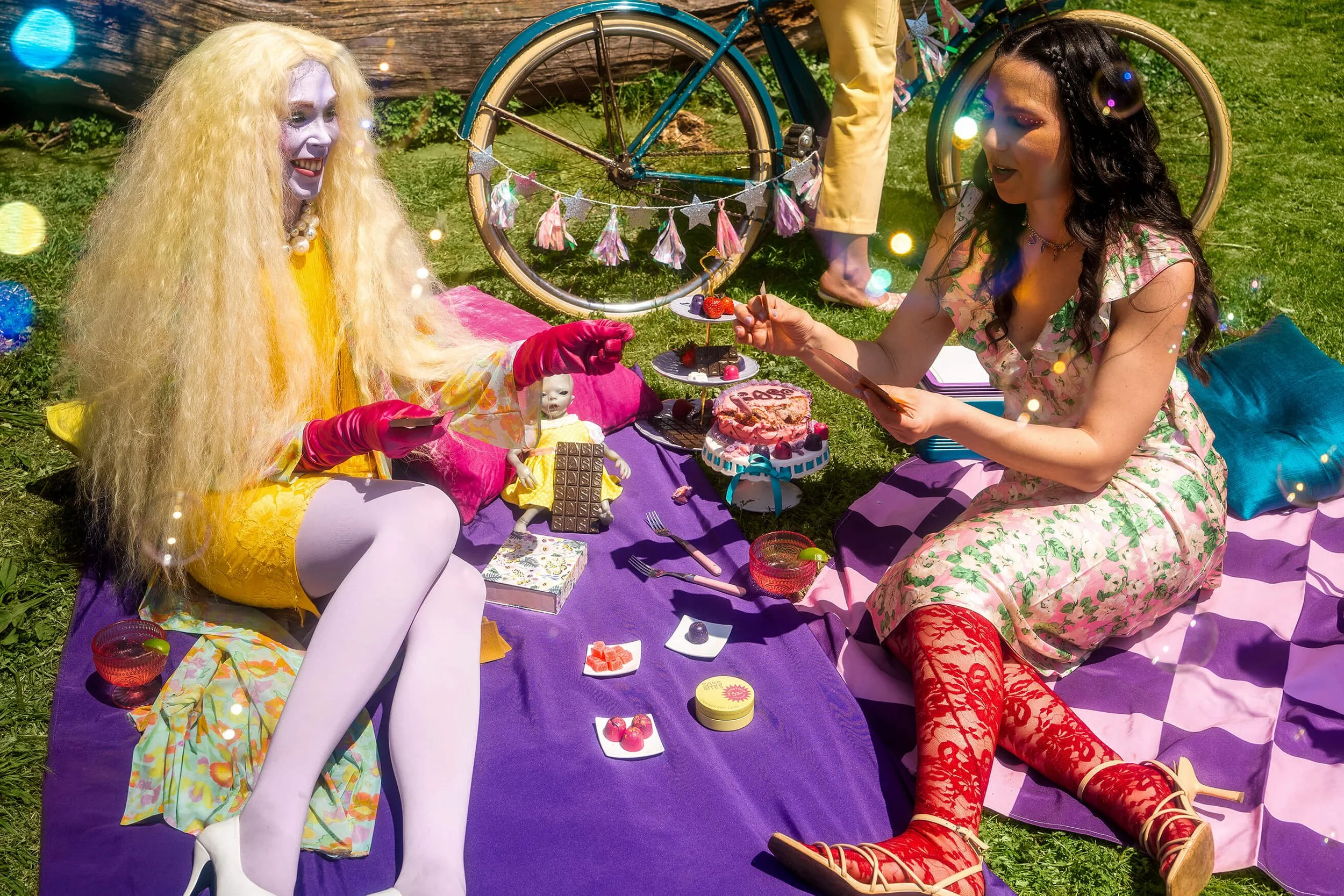
HH: From the South Bronx to shelves across New York, SASS has already proven she’s that girl — the one who shows up for community, advocates for justice, and brings pleasure back into the conversation around healing. The mission remains clear: create products that work, feel good, and honor the lived experiences behind them. You can learn about SASS here.